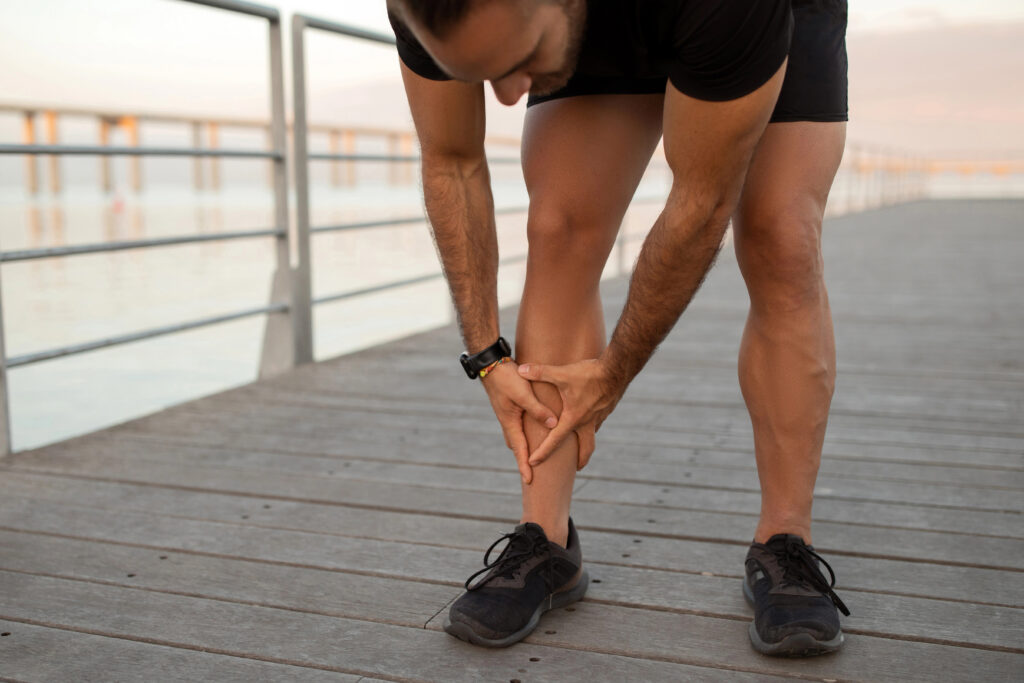
Summer brings longer days, more time outdoors, and, for a lot of people, noticeably worse vein symptoms. If your legs feel heavier, more swollen, or more uncomfortable in the heat, you’re not imagining things.
There’s a real physiological reason why warm weather affects your veins, so much so that for some people, summer is actually the first time they realize something is wrong.
How Heat Affects Veins
Your circulatory system is constantly working to regulate your body temperature. In fact, temperature regulation is a function that your cardiovascular system is constantly performing, but gets little credit for.
When it’s hot outside, your body responds by dilating blood vessels near the skin’s surface. This allows more blood to flow close to the skin, where it can release heat and help cool you down. It is an invaluable system for your body, but it puts extra demands on your veins.
Heat Causes Veins to Dilate
Veins rely on a series of tiny valves to keep blood moving upward against gravity toward the heart. When heat causes veins to dilate and expand, those valves have to work harder. And if the valves are already weakened or damaged, which is often the case with varicose veins, that extra strain causes more blood to pool in the lower legs.
The result is increased swelling, pressure, and discomfort, especially by the end of a hot day. For people with underlying vein disease, the dilation that happens naturally in summer heat can push already-struggling veins past the point where symptoms are easy to ignore.
Vein Symptoms Can Intensify
For people with existing vein conditions, summer can bring a noticeable uptick in symptoms. It’s even worth noting that many people first become aware of a vein problem during warmer months, not because the condition is new, but because heat is the trigger that finally makes it noticeable.
- Common complaints this time of year include:
- Heavy, achy, or fatigued legs
- Increased swelling around the ankles and feet
- Throbbing or fullness in the legs
- Visible bulging of varicose veins
- Itching or cramping
If these symptoms are showing up for the first time this summer, that’s your body signaling that something deserves a closer look.
Dehydration Makes It Worse
Summer also increases the risk of dehydration, which can further impact circulation. When you’re not adequately hydrated, blood becomes more viscous and harder to move through the vessels. That sluggishness compounds the pooling that already happens with heat-related dilation, making swelling and discomfort feel even more intense.
Staying well hydrated is one of the simplest things you can do to support your veins during warmer months.
What You Can Do to Help Your Veins This Summer
Understanding that the connection is not just a coincidence is the first step. There are also some practical ways to manage discomfort during warmer months.
Stay Cool When You Can
Prolonged exposure to heat, whether from sun, saunas, or hot tubs, increases vein dilation and worsens symptoms. If you’re prone to vein issues, long stretches in intense heat will likely make them worse.
Elevate Your Legs
Putting your legs up at the end of the day helps blood drain back toward the heart and reduces the pooling that leads to swelling and discomfort. Lie with your legs in a lifted position (6 to12 inches above your heart) for 15 to 20 minutes.
Keep Moving
Regular movement, even short walks, activates the calf muscles, which act as a pump to support circulation. Long periods of sitting or standing without breaks are particularly hard on veins in the summer.
Wear Compression
If you’ve been advised to wear compression stockings, summer isn’t the time to stop. They won’t eliminate underlying vein conditions, but they do help manage symptoms by supporting circulation.
These steps can offer real relief, but they don’t address the underlying problem. If your symptoms are significant, it’s time to see a vein specialist.
Schedule a Consultation This Summer
If heavy, swollen, or painful legs have become part of your summer routine, we’re here to talk to you about your options. Schedule a consultation to find out what’s really going on with your veins, and which treatments might be right for you.